
 Image 1 of 1
Gluten-Free Starter Guide
What is gluten?
Gluten is a group of proteins found in wheat, barley, rye, and related grains. It gives dough elasticity and helps baked goods keep their shape.
People avoid gluten for celiac disease (autoimmune), non-celiac gluten sensitivity, wheat allergy, or personal preference.
Basics to get started
Read labels every time. Ingredients and manufacturing practices can change.
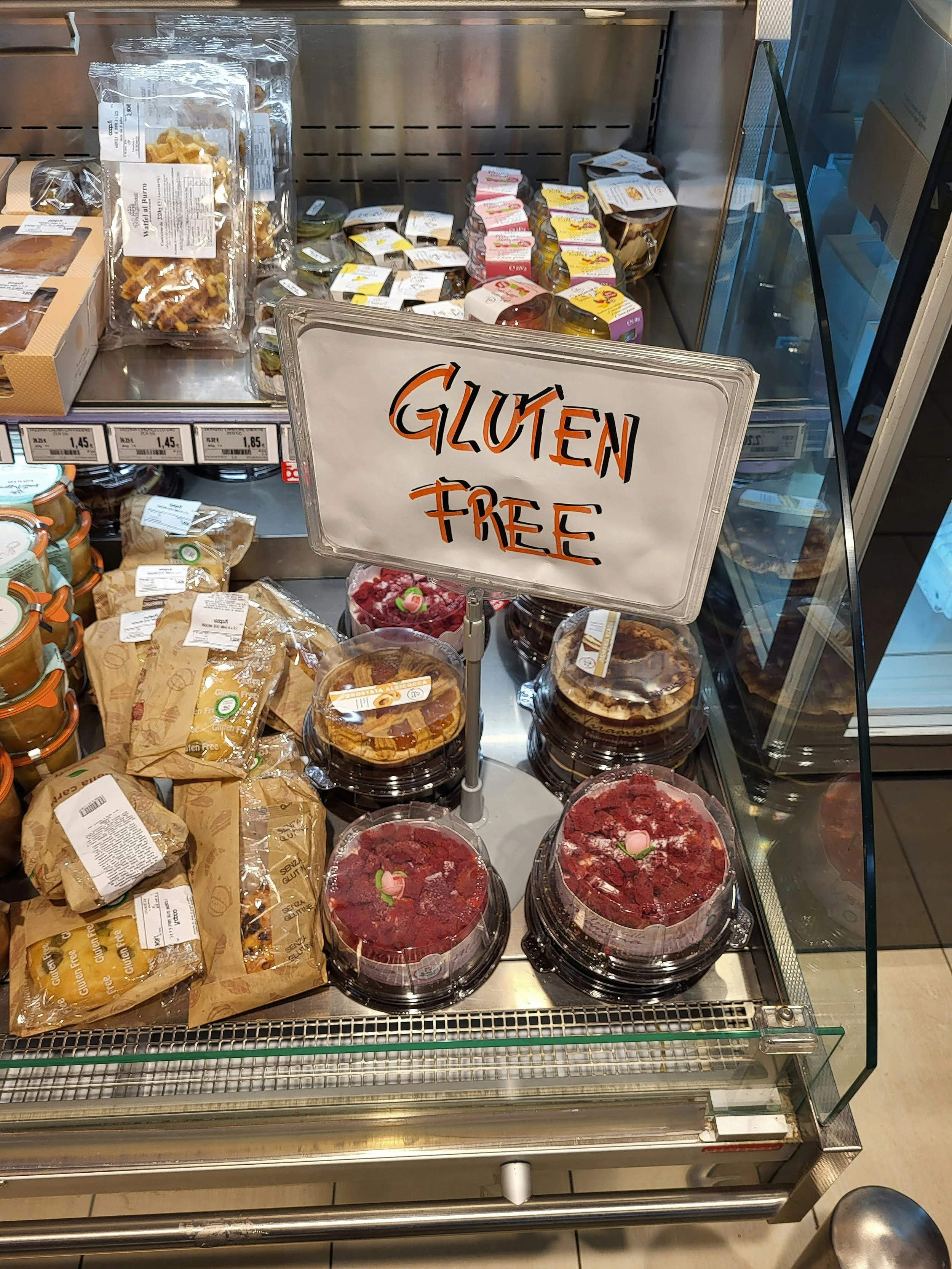
Look for foods labeled “gluten-free.” In the U.S., that means the product contains less than 20 ppm gluten.
When in doubt, choose naturally gluten-free whole foods (see list below).
Naturally gluten-free whole foods
Fruits and vegetables
Fresh meat, poultry, fish, and seafood (not breaded or marinated unless labeled GF)
Eggs
Dairy: milk, plain yogurt, cheeses (check for additives)
Beans, lentils, and most legumes
Nuts and seeds
Potatoes, sweet potatoes
Rice, corn, quinoa, millet, buckwheat, sorghum, tapioca, arrowroot, amaranth
Gluten-Free Starter Guide
What is gluten?
Gluten is a group of proteins found in wheat, barley, rye, and related grains. It gives dough elasticity and helps baked goods keep their shape.
People avoid gluten for celiac disease (autoimmune), non-celiac gluten sensitivity, wheat allergy, or personal preference.
Basics to get started
Read labels every time. Ingredients and manufacturing practices can change.
Look for foods labeled “gluten-free.” In the U.S., that means the product contains less than 20 ppm gluten.
When in doubt, choose naturally gluten-free whole foods (see list below).
Naturally gluten-free whole foods
Fruits and vegetables
Fresh meat, poultry, fish, and seafood (not breaded or marinated unless labeled GF)
Eggs
Dairy: milk, plain yogurt, cheeses (check for additives)
Beans, lentils, and most legumes
Nuts and seeds
Potatoes, sweet potatoes
Rice, corn, quinoa, millet, buckwheat, sorghum, tapioca, arrowroot, amaranth